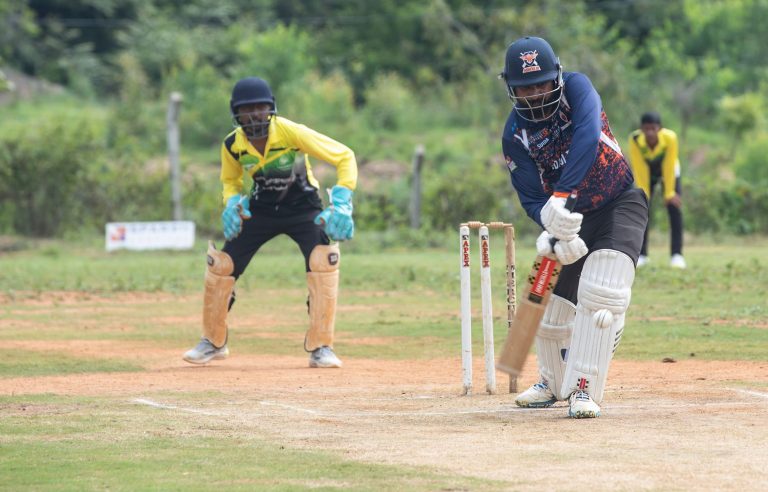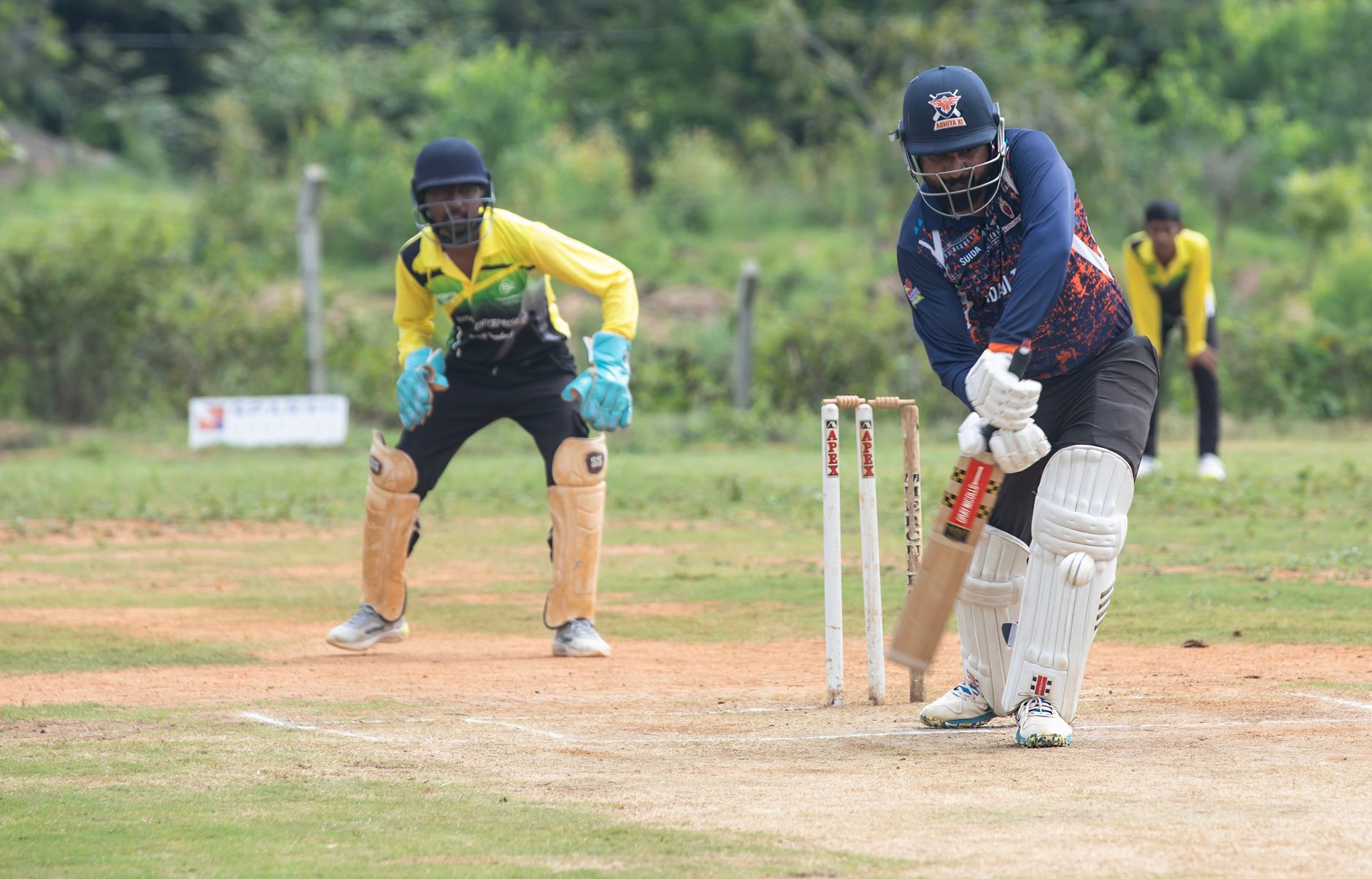
Abhishek Sharma record has taken a negative turn after his golden duck against Japan in the one-off T20I match.
Overview of the Match Performance
In a surprising turn of events during the one-off T20I against Japan, Abhishek Sharma has now etched his name in history for all the wrong reasons. His performance has raised questions about the caliber of play and the standards expected at this level. With a golden duck to his name, Sharma’s record has become a topic of intense discussion among cricket enthusiasts.
The match itself showcased a mix of excitement and disappointment, particularly for fans of the Indian team. The following points summarize the key aspects of Abhishek Sharma’s performance:
- Golden Duck: Sharma was dismissed without scoring a run, marking a low point in his career.
- Team Impact: His early exit put added pressure on the batting lineup, complicating the team’s strategy.
- Fans’ Reactions: Social media was abuzz with reactions, with many expressing disbelief at the unexpected outcome.
- Comparison to Past Records: Cricket analysts began comparing his record to other disappointing performances in T20I history.
As discussions around Abhishek Sharma’s record continue, it remains to be seen how he will respond in future matches and whether this experience will serve as a turning point in his career.
Impact of the Golden Duck
The recent performance of Abhishek Sharma has sparked discussions across cricketing circles, especially after he recorded a golden duck in the one-off T20I against Japan. This unfortunate outcome has led to the question: is this the worst T20I performance ever? The impact of the golden duck extends beyond just personal disappointment; it also affects team morale and strategy.
Fans and analysts alike are scrutinizing the implications of this record-breaking performance. When a player fails to score, it can set a negative tone for the rest of the innings, impacting teammates’ confidence. Furthermore, Sharma’s golden duck has drawn attention to his recent form, raising concerns about his ability to perform under pressure.
Several factors contributed to this moment, including:
- Pitch conditions: The playing surface may have favored bowlers, making it challenging for batsmen.
- Bowler’s strategy: The Japanese bowlers executed their plans effectively, catching Sharma off-guard.
- Team dynamics: An atmosphere of high expectations can lead to increased pressure on individual players.
As discussions continue, the Abhishek Sharma record remains a focal point, prompting a debate on the nature of performance in T20I cricket.
Reactions from Fans and Experts
Following Abhishek Sharma’s disappointing performance in the recent T20I match against Japan, reactions from both fans and cricket experts have flooded social media. Many were quick to express their disbelief at the record he set with his golden duck, which has raised questions about whether this is the worst T20I performance ever.
Fans took to various platforms with mixed emotions, ranging from sympathy to frustration. A fan tweeted, “It’s hard to believe Abhishek Sharma holds such an unwanted record. He needs to bounce back strong!” Others were less forgiving, calling for a reassessment of his spot on the team.
Experts also weighed in, with some suggesting that every player has off days. Former cricketer Ravi Shastri commented, “Records are made to be broken, but this one is certainly not what Abhishek Sharma would have wanted.” Meanwhile, sports analysts pointed out that pressure can lead to such performances, especially in a T20 format where expectations are high.
As discussions continue, one thing is clear: the implications of Abhishek Sharma’s record will be felt beyond this match, influencing both fan sentiment and team dynamics moving forward.
Historical Context of T20I Records
The landscape of T20 International cricket is littered with memorable performances, both stellar and dismal, that shape the narrative of the game. In this context, Abhishek Sharma’s record-setting performance raises questions about the extremes of T20I play. The format, known for its explosive nature and high-scoring matches, has also seen its fair share of lows.
Historically, T20I records highlight a spectrum of achievements and failures. Notably, the concept of a “golden duck,” where a batsman gets out on the first ball faced, is a significant blemish on a player’s statistics. It is an outcome that can lead to unwanted records, as seen in Abhishek Sharma’s recent outing against Japan. Such performances can become defining moments in a player’s career, often overshadowing their previous successes.
Throughout T20I history, several players have faced similar fates, but the impact of a golden duck can vary. For instance, in matches where the team emerges victorious, the consequences might be less severe. However, in defeat, such performances are scrutinized more heavily. As Abhishek Sharma holds this unwanted record, it serves as a reminder of the pressures and unpredictabilities inherent in T20 cricket.
Future Implications for Abhishek Sharma
The recent performance of Abhishek Sharma has raised significant questions about his future in international cricket. After creating an unwanted record with a golden duck against Japan in a one-off T20I, many are speculating on how this will affect his career moving forward. The Abhishek Sharma record could serve as a cautionary tale for young cricketers, emphasizing the importance of preparation and mental resilience in high-pressure situations.
As teams evaluate their line-ups ahead of major tournaments, Sharma’s place may come under scrutiny. Analysts are already debating whether this performance will cost him a spot in the squad for upcoming series. If he fails to bounce back quickly, it could lead to a loss of confidence and further struggles.
However, it’s essential to recognize that every athlete faces adversity. History has shown that players can recover from disappointing performances. The key for Sharma will be how he responds in subsequent matches. With support from coaches and teammates, he may yet turn this setback into a learning experience and emerge stronger.
For now, the cricketing community watches closely, hopeful that Abhishek Sharma can reclaim his form and silence critics in the near future.
Comparative Analysis with Other Players
In the realm of T20 internationals, performance can be notoriously unpredictable, and Abhishek Sharma’s record has sparked a significant discussion among cricket enthusiasts. To understand the gravity of his recent achievement, it is essential to compare his performance with that of other players who have faced similar fates.
Historically, several cricketers have recorded golden ducks, but the circumstances surrounding each event can differ greatly. Here are a few notable instances:
- Chris Gayle: The explosive West Indies batsman recorded a golden duck in a T20I against England in 2016, but his overall impact on the game remains significant.
- Virender Sehwag: Known for his aggressive batting, Sehwag also faced a golden duck early in his T20I career, yet he went on to achieve remarkable success in the format.
- Shahid Afridi: The former Pakistan captain had his share of golden ducks, but his legacy as a match-winner overshadowed these brief setbacks.
Comparatively, Abhishek Sharma’s record, marked by a golden duck against Japan, raises questions about its long-term implications for his career. As fans and experts analyze the significance of his performance, it remains to be seen how this will affect his standing in the cricketing world.
Conclusion on Abhishek Sharma’s Performance
In conclusion, Abhishek Sharma’s record-setting performance during the recent T20I against Japan raises critical questions about his future in the format. The unprecedented nature of his golden duck has not only made headlines but has also sparked discussions among fans and analysts regarding the implications for his career moving forward.
The match, which was anticipated to showcase Sharma’s talents, turned into a scenario that few expected. As he faced the first delivery, his dismissal without scoring marked a significant low point, leading many to label it as one of the worst T20I performances ever. This unwanted record could affect his confidence and the team’s strategy in future matches.
Moreover, reactions from both fans and cricket experts have varied, with some expressing sympathy while others emphasize the competitive nature of the game. As Sharma reflects on this performance, he must also consider how to bounce back and regain his form in upcoming challenges.
Ultimately, the repercussions of this match will linger, shaping the narrative of Abhishek Sharma’s career. The cricketing community will be keenly watching how he responds, as the pressure to overcome this setback mounts with every game he plays.
The Abhishek Sharma record has sparked intense debate among cricket analysts and fans alike. Many are questioning whether this performance will be remembered as the worst T20I performance ever, given the high expectations placed on the young player.
Photo by Anil Sharma on Pexels
Sources
Chess Olympiad Winner’s Curse: A Proven Challenge for India · Dutch gambling licences: Proven benefits for operators · Asian Games 2026: Best Live Coverage for Women’s Cricket Final
About the Author