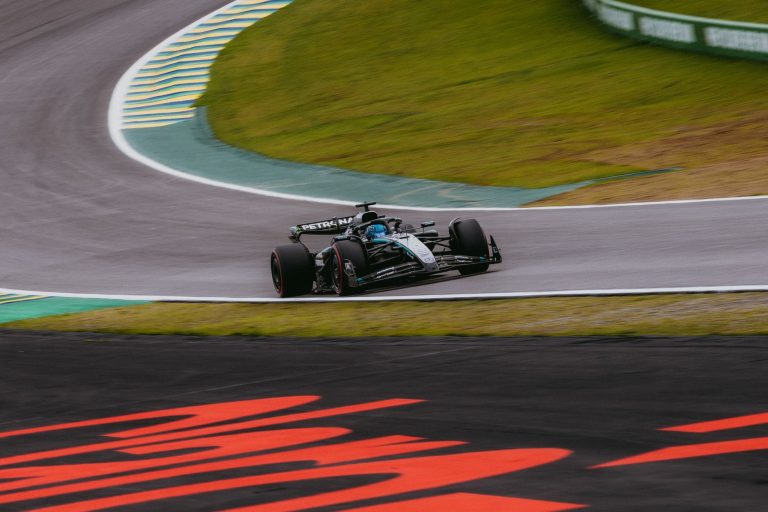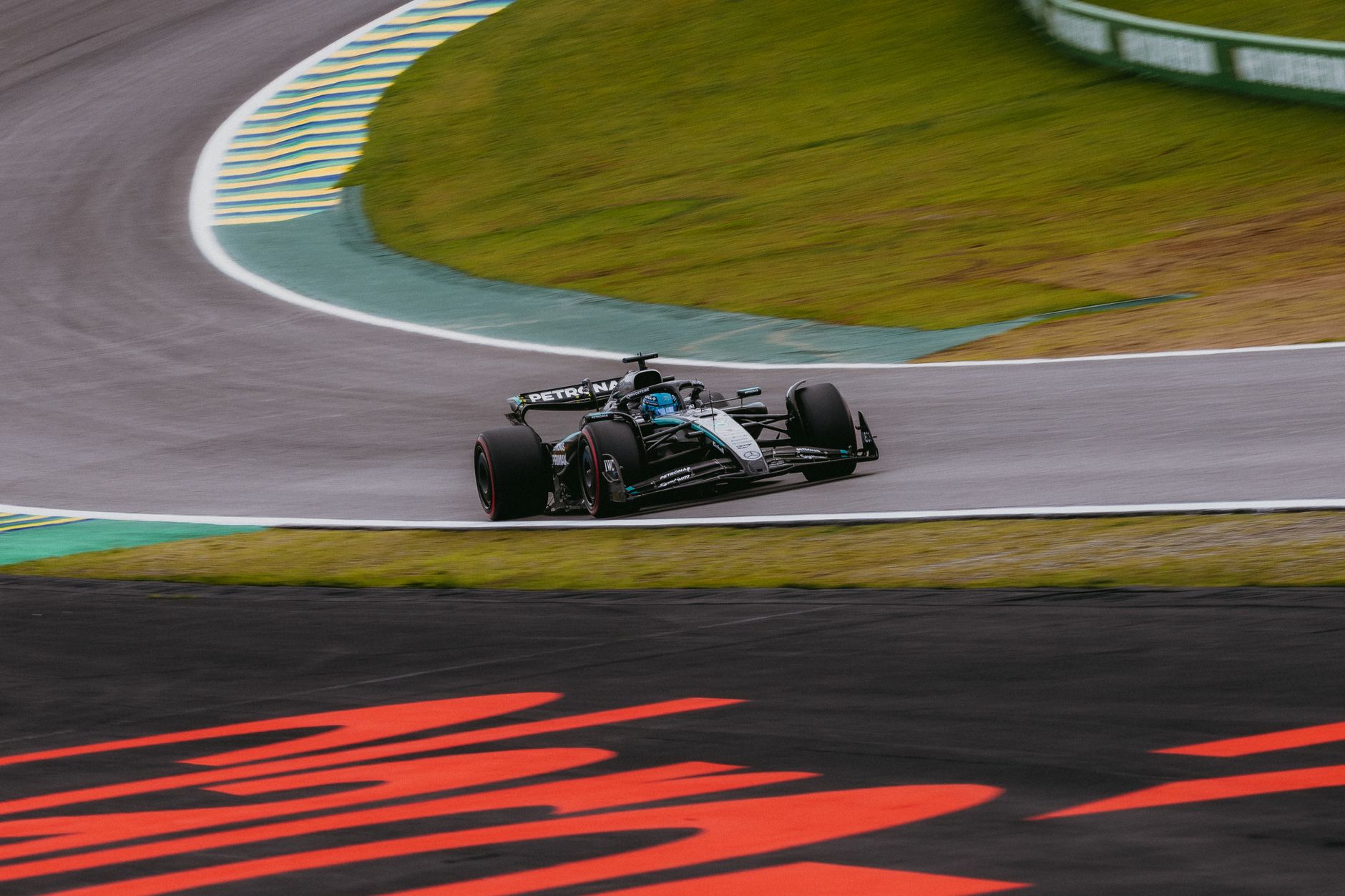
The Brazilian Grand Prix extension is a significant development for F1, ensuring thrilling racing in Brazil for the next five years. This decision reflects the sport’s commitment to its global fanbase.
What is the Brazilian Grand Prix extension?
The Brazilian Grand Prix, a staple in the Formula 1 calendar, has recently received a five-year extension, ensuring its continued presence in the motorsport world. This extension allows the event to maintain its status as a key fixture in the championship, drawing fans from across the globe to witness the thrilling racing action at the Interlagos circuit in São Paulo.
With the Brazilian Grand Prix extension, F1 aims to build on the rich history and passionate fanbase that has developed over the years. The event has become synonymous with exciting races and dramatic moments, contributing significantly to the sport’s allure. As one of the few races held in South America, it also provides an essential connection to a vibrant and enthusiastic audience.
However, the decision to extend the Brazilian Grand Prix raises questions about its long-term benefits for F1. Some critics argue that resources could be better allocated to emerging markets or circuits that are less established. Others believe that maintaining tradition is vital for the sport’s identity.
Ultimately, the Brazilian Grand Prix extension could be a pivotal move that strengthens F1’s global reach while honoring a beloved event that has captured the hearts of many.
Why is the extension important for F1?
The recent five-year extension of the Brazilian Grand Prix is significant for several reasons, highlighting its importance in the world of Formula 1. Firstly, it ensures that Brazil remains a key player in the F1 calendar, a country with a rich racing heritage and passionate fans.
Moreover, the Brazilian Grand Prix extension provides stability for teams, sponsors, and fans alike. Consistency in race locations fosters a sense of community and tradition, which is vital for the sport’s growth and popularity. The Interlagos circuit, known for its challenging layout and vibrant atmosphere, offers unique opportunities for thrilling races, which enhances the overall appeal of the championship.
Additionally, the extension underscores F1’s commitment to expanding its global footprint. With Brazil being one of the largest markets for motorsport enthusiasts, maintaining a presence there is not only strategic but also essential for attracting new fans and sponsors.
Finally, the longevity of the Brazilian Grand Prix allows for the potential development of infrastructure, improving the overall spectator experience. As F1 evolves, the importance of venues that can adapt and attract a diverse audience cannot be overstated, making the Brazilian Grand Prix extension a crucial move for the future of the sport.
How will fans benefit from the Brazilian Grand Prix?
The recent Brazilian Grand Prix extension promises to bring numerous benefits to fans, enhancing their overall experience at one of the most iconic races in the Formula 1 calendar. With the commitment to host the event for an additional five years, supporters can look forward to a more vibrant and engaging atmosphere.
One significant advantage is the potential for improved facilities at the Interlagos circuit. Upgrades may include enhanced seating, better access to amenities, and expanded viewing areas, ensuring that fans have a comfortable and enjoyable experience. Additionally, with the extended contract, F1 is likely to invest more in local engagement initiatives, fostering a deeper connection between the sport and its Brazilian audience.
Moreover, the Brazilian Grand Prix extension may lead to increased opportunities for fan interaction, such as meet-and-greet events with drivers and team personnel. These experiences can create lasting memories for attendees and help cultivate a passionate fanbase.
Furthermore, the certainty of the race being part of the calendar for years to come can encourage more fans to attend, bolstering local tourism and the economy. Ultimately, the Brazilian Grand Prix extension stands to elevate the overall F1 experience for fans, making it a move that could be celebrated by many.
Historical significance of the Brazilian Grand Prix
The Brazilian Grand Prix has long been a staple in the Formula 1 calendar, renowned for its passionate fans and thrilling races. Its historical significance cannot be overstated, as it has been a venue for many memorable moments in the sport. The Brazilian Grand Prix extension will not only preserve this legacy but also enhance its role in F1’s future.
Since its inception in 1972, the event has witnessed unforgettable races, showcasing legendary drivers and dramatic finishes. Notable victories, such as Ayrton Senna’s emotional triumph in 1991 and Lewis Hamilton’s remarkable comeback in 2008, have etched the race into the annals of motorsport history.
The Interlagos circuit, with its unique layout and vibrant atmosphere, has become synonymous with the Brazilian Grand Prix. Fans appreciate the challenging track, which often leads to unexpected outcomes and strategic battles. The extension allows the venue to continue hosting the event while ensuring that the essence of Brazilian motorsport remains alive.
Moreover, the Grand Prix has had a significant economic impact on the region, promoting tourism and local businesses. With the Brazilian Grand Prix extension, this tradition of excellence and excitement will continue to flourish for years to come.
Key highlights from past Brazilian Grands Prix
The Brazilian Grand Prix has a rich history, showcasing thrilling races and unforgettable moments. Here are some key highlights from past events that underline the significance of the recent Brazilian Grand Prix extension:
- 1994 Season: The tragic loss of Ayrton Senna at the San Marino Grand Prix cast a long shadow over the season, but Brazil remained a beacon of hope for fans, celebrating Senna’s legacy.
- 2008 Championship Decider: Felipe Massa’s heart-stopping home victory at Interlagos, only to lose the championship to Lewis Hamilton on the final corner, is etched in F1 folklore.
- 2016 Rain-Soaked Race: The unpredictable weather at Interlagos led to a dramatic race, with Max Verstappen becoming the youngest-ever race winner, solidifying the event’s reputation for excitement.
- Iconic Fan Atmosphere: Brazilian fans are known for their passionate support, creating an electrifying atmosphere that enhances the racing experience, making the Brazilian Grand Prix a favorite among drivers and teams alike.
The Brazilian Grand Prix extension promises to build on this legacy, ensuring that fans continue to experience the thrill and excitement that this iconic race has to offer.
Future of F1 in Brazil
The future of F1 in Brazil appears to be promising with the recent announcement of the Brazilian Grand Prix extension. This decision has reignited discussions about the sport’s growth and its fanbase in South America.
Brazil has a rich motorsport history, having produced legendary drivers such as Ayrton Senna and Nelson Piquet. The Brazilian Grand Prix extension signifies a commitment to maintaining this legacy, ensuring that the excitement of Formula 1 continues to thrive in the region. With the extension in place, the opportunity for emerging talents from Brazil to showcase their skills on a global stage is greatly enhanced.
Moreover, the extension is expected to have significant economic benefits for the country. It will stimulate tourism, as fans from around the world flock to witness the thrill of the race. Additionally, local businesses will likely see an increase in revenue as they cater to the influx of visitors.
As F1 continues to evolve, the Brazilian Grand Prix extension serves as a crucial step in solidifying Brazil’s position within the sport, ultimately fostering a vibrant motorsport culture that can inspire future generations.
What does this mean for other F1 races?
The recent Brazilian Grand Prix extension has sparked discussions about its implications for other Formula 1 races around the world. As the sport continues to evolve, the focus on certain circuits raises questions about the overall balance of the F1 calendar.
One of the primary concerns is the potential impact on traditional venues. If the Brazilian Grand Prix receives increased attention and resources, other iconic races may struggle to maintain their status. This scenario could lead to a shift in the competitive dynamics within F1, as tracks that have been longstanding fixtures might face challenges in securing their spots on the calendar.
Additionally, the Brazilian Grand Prix extension could inspire other countries to invest more in their own F1 events, aiming to enhance their appeal. Countries with existing races may feel pressured to up their game, investing in infrastructure and fan experiences to compete with the allure of Brazil’s well-established event.
- Potential upgrade of facilities: Countries may invest in better amenities and fan engagement.
- Increased competition: More countries vying for recognition could benefit the sport overall.
- Shift in race popularity: Some tracks may gain favor while others risk losing their significance.
Ultimately, the Brazilian Grand Prix extension could reshape the landscape of F1 racing, prompting a reevaluation of the opportunities and challenges faced by other circuits.
Photo by Jonathan Borba on Pexels
Where this came from
Related reading
- India bowlers recreate nightmare: Proven tactics for success
- Lynn suspension news: What is the real reason behind it?
- Are Facebook gambling ads safe or unlicensed in Switzerland?
About the Author